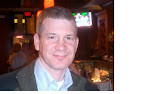
Today I received my first IV infusion of Kepivance (Palifermin) to help reduce the severity and duration of the mucosistis I'm expecting from the BEAM chemo being administered this coming week. Will do again Saturday and Sunday mornings.
Website regarding info of the anti-mucositis drug, Palifermin:
http://www.drugs.com/mtm/palifermin.html
Today's video message. . . . .
Friday, December 18, 2009


Thursday, December 17, 2009
Updated Logistics Plans & schedule
A few disparate items for today. . . . . .
This morning Dr. Raab called me to discuss regarding what he knows is my concern about mucositis (mouth & GI tract sores) during chemo. This side effect, common for BEAM chemo, prevents eating and drinking for as much as a week, or more. I expect this WILL happen to me. There's generally not much that can be done to treat mucositis and is usually just left to resolve on it's own. However, there may be some efficacy in prophylactically treating for the prevention of mucositis with a systemic drug known as Palafermin (Kepivance). So Dr. Raab thought it in my best interest to at least give it a try and take this medication by IV for three days prior to BEAM chemo. Although is it unlikely to completely eliminate the possibility of mucositis, there is the statistical probability that it will ameliorate some of the hardest-to-endure chemo side effects. Although it's not clear if it will work well, once again my hat's off to Dr. Raab for taking into consideration of my concern and well-being to at least attempt to address my concern and comfort. Dr. Raab gives medical practitioners and clinicians a good name. He always has my respect. Thank you Dr. Raab! I report to the outpatient clinic tomorrow at 8:30am for the first infusion. I will repeat again Saturday morning and Sunday morning the day prior to checking into the hospital.
Onto another subject. . . . Because my plan was to discontinue my interferon injections prior to the stem cell transplant to allow my blood cell counts to come back up closer to my body's homeostastatic level, the last time I took my Avonex was Sunday, November 22. So it's been nearly a month since I last took my interferon. Interesting that in the past 14 years I have never gone this long without injecting my medication. I am now feeling slightly increased, but noticeable worsening of my existing MS symptoms. It's mainly my legs with some additional numbness and weakness. However, it is far from dibilitating. It's just something that I have noticed, that's all. When my immune system is ablated and I acheive neutropenia (when my WBC counts and immune system drop to zero) following BEAM chemo, I'm sure these added symptons will dissipate. And of course, over a period of one year, or more I will probably see some reversal of existing symptoms (based on the existing scientific study data). That will not only be a gift from god, but will also be something that is impossible to acheive with all other existing established MS therapies available today. Anyway, I'm not complaining. I'm still in decent shape, thank you.
So Yuko and I spent a lot of back-and-forth time to re-tune our overall travel schedule to accomodate the updated (delayed) hospital admission schedule. She has adjusted both the travel schedule begin/end dates, and also the total Germany in-country time to cover nearly all of my hospital stay, plus some. Of main importance is that she will accompany me to Frankfurt airport to see me on the flight back to the US before she boards her own flight in the evening back to Japan to pick up Riki prior to returning to California. Although I have confidence in my in-laws to take care of Riki in Japan, I feel quite bad (and I'm sure Yuko feels VERY bad) that Riki will be in Japan without either of his parents for three weeks. This is the hardest part of all my experience to get this treatment in Germany. I hope I will make it up to my son in the future with improved physical capability to play ball with him. Additionally, hopefully I won't have substantial difficulty walking on my own following the treatment. However, if I do have a problem then my good friend and slave-driving task-master boss Allan Wiesnoki has graciously volunteered to accompany me back for the flight. Actually, I think he just wants to meet Sandra. But that's OK. I'll help to tie it all together. Allan. . . I'll let you know by the end of December if you'll be getting an airline ticket to make the trip. A round of appluase to Allan for stepping up for an possibly important job for me. So here is the updated schedule, with additional information to round it out (click on image to enlarge). . . .


Last note. . . I just wanted to include a good perspective view image of Tif & Judy's fantastic home where we plan to have the one year "George stem cell birthday" party. It's a beautiful mix of old-world and new-world. Be sure to click the image to enlarge to see important detail. I had to clear this with the CIA first. . . .
Pinot Noir Vineyards - Joyce The property for this vineyard is owned by Tif and Judy Joyce and farmed by Charlie Chenoweth. The three acres are located on a ridge above and just south of Freestone on Barnett Valley Road. The vineyard is planted to both Dijon clones 115 and 777. The vineyard is very late ripening and the ’04 vintage, the first, is as dark and concentrated as a Syrah but with incredible Pinot flavors. This is truly one to watch. In barrel the notes of this wine are black plum, cherry and allspice characteristics.

This morning Dr. Raab called me to discuss regarding what he knows is my concern about mucositis (mouth & GI tract sores) during chemo. This side effect, common for BEAM chemo, prevents eating and drinking for as much as a week, or more. I expect this WILL happen to me. There's generally not much that can be done to treat mucositis and is usually just left to resolve on it's own. However, there may be some efficacy in prophylactically treating for the prevention of mucositis with a systemic drug known as Palafermin (Kepivance). So Dr. Raab thought it in my best interest to at least give it a try and take this medication by IV for three days prior to BEAM chemo. Although is it unlikely to completely eliminate the possibility of mucositis, there is the statistical probability that it will ameliorate some of the hardest-to-endure chemo side effects. Although it's not clear if it will work well, once again my hat's off to Dr. Raab for taking into consideration of my concern and well-being to at least attempt to address my concern and comfort. Dr. Raab gives medical practitioners and clinicians a good name. He always has my respect. Thank you Dr. Raab! I report to the outpatient clinic tomorrow at 8:30am for the first infusion. I will repeat again Saturday morning and Sunday morning the day prior to checking into the hospital.
Onto another subject. . . . Because my plan was to discontinue my interferon injections prior to the stem cell transplant to allow my blood cell counts to come back up closer to my body's homeostastatic level, the last time I took my Avonex was Sunday, November 22. So it's been nearly a month since I last took my interferon. Interesting that in the past 14 years I have never gone this long without injecting my medication. I am now feeling slightly increased, but noticeable worsening of my existing MS symptoms. It's mainly my legs with some additional numbness and weakness. However, it is far from dibilitating. It's just something that I have noticed, that's all. When my immune system is ablated and I acheive neutropenia (when my WBC counts and immune system drop to zero) following BEAM chemo, I'm sure these added symptons will dissipate. And of course, over a period of one year, or more I will probably see some reversal of existing symptoms (based on the existing scientific study data). That will not only be a gift from god, but will also be something that is impossible to acheive with all other existing established MS therapies available today. Anyway, I'm not complaining. I'm still in decent shape, thank you.
So Yuko and I spent a lot of back-and-forth time to re-tune our overall travel schedule to accomodate the updated (delayed) hospital admission schedule. She has adjusted both the travel schedule begin/end dates, and also the total Germany in-country time to cover nearly all of my hospital stay, plus some. Of main importance is that she will accompany me to Frankfurt airport to see me on the flight back to the US before she boards her own flight in the evening back to Japan to pick up Riki prior to returning to California. Although I have confidence in my in-laws to take care of Riki in Japan, I feel quite bad (and I'm sure Yuko feels VERY bad) that Riki will be in Japan without either of his parents for three weeks. This is the hardest part of all my experience to get this treatment in Germany. I hope I will make it up to my son in the future with improved physical capability to play ball with him. Additionally, hopefully I won't have substantial difficulty walking on my own following the treatment. However, if I do have a problem then my good friend and slave-driving task-master boss Allan Wiesnoki has graciously volunteered to accompany me back for the flight. Actually, I think he just wants to meet Sandra. But that's OK. I'll help to tie it all together. Allan. . . I'll let you know by the end of December if you'll be getting an airline ticket to make the trip. A round of appluase to Allan for stepping up for an possibly important job for me. So here is the updated schedule, with additional information to round it out (click on image to enlarge). . . .


Last note. . . I just wanted to include a good perspective view image of Tif & Judy's fantastic home where we plan to have the one year "George stem cell birthday" party. It's a beautiful mix of old-world and new-world. Be sure to click the image to enlarge to see important detail. I had to clear this with the CIA first. . . .
Pinot Noir Vineyards - Joyce The property for this vineyard is owned by Tif and Judy Joyce and farmed by Charlie Chenoweth. The three acres are located on a ridge above and just south of Freestone on Barnett Valley Road. The vineyard is planted to both Dijon clones 115 and 777. The vineyard is very late ripening and the ’04 vintage, the first, is as dark and concentrated as a Syrah but with incredible Pinot flavors. This is truly one to watch. In barrel the notes of this wine are black plum, cherry and allspice characteristics.

Wednesday, December 16, 2009
Can Immune System Transplants Halt-MS?
This posting information on this page is now becoming rather dated; the information here regarding treatment data is from the very early phase II studies. If you have come to this blog for the first time I suggest starting at the following page-link first. I think you will find what you are looking for here:
http://themscure.blogspot.com/2010/06/stem-cell-transplantation-reference.html
Today Judy and I had an easy day. Didn't do too much, although I did buy an extra respirator filter mask for my stay in the hospital when I can walk around. Don't want to catch any killer germs from the environment that will sicken me while walking the hallways.
I thought I'd take this quiet time opportunity to share a brief, but important general medical article regarding this specific immuno-ablation treatment that I will be receiving here in Heidelberg. It is a report by Dr. Bowen (principal researcher of the HALT-MS clinical trial) on the specifics of the HALT-MS phase II study protocol. Following the first article is a preliminary one-year follow up report regarding the early study results (fantastically good data, in my opinion). Keep in mind that I have an EDSS of 3.5. . . .
Can Immune System Transplants Halt-MS?
Neurology Reveiws, vol 14, No 8, August, 2006
Immunomodulating treatments are currently the only established forms of therapy for multiple sclerosis (MS), but by and large these treatments have been only partly effective for most patients. Based on the results of experimental models and on clinical observations in patients with malignancy and patients with MS, hematopoietic stem cell transplantation was proposed for the treatment of autoimmune diseases and has been shown in several clinical trials to be at least moderately effective in patients with MS. A newer strategy—high-dose immunosuppression (also known as immunoablation) plus autologous transplantation, which involves the complete eradication and reconstitution of the patient’s bone marrow—has shown promise in early studies and is now being investigated in ongoing phase II trials.
Autologous hematopoietic stem cell transplantation was first studied [in the US] as a treatment for MS in the late 1990s [and in the early 1990's in Europe]. Results have been analyzed in both single-center and multicenter trials and collectively in a retrospective study by the European Group for Blood and Marrow Transplantation (EBMT) retrospective study. Of the 85 patients with MS in the EBMT database, 74% were found to be progression-free at three years from transplantation, a percentage that is fairly consistent with all transplant studies in MS reported to date.
Because of the different clinical forms of MS treated, as well as the wide range of immunoablative regimens used in these studies, however, observers have recommended caution in interpreting these results. It may be that the benefit of the procedure was derived from an effect earlier in the disease or that patients with the relapsing-remitting form of the disease respond better to this aggressive form of treatment. The downside to the approach is that there is significant morbidity, with an overall death rate of 7% for this group of patients, according to James Bowen, MD, a principal investigator of the ongoing High-Dose Immunosuppression and Autologous Transplantation for Multiple Sclerosis (HALT MS) study.
"The question is, if we are destroying these people’s bone marrow and then replacing it, why don’t we have a 100% success rate instead of a 75% success rate?" he said at the 20th Annual Meeting of the Consortium of Multiple Sclerosis Centers. "There could be three explanations. One is that MS may not be an autoimmune disease; we may be limiting the inflammation, but there may be apoptosis going on under the radar that we are not addressing with this treatment. Another is that oddly enough, we may not be aggressive enough, and we may need to be more immunosuppressive and throw out the remaining B cells in order to have more success.
"The third explanation may be that it may be too late—the damage is already done, and so many of the T cells are destined to go ahead and die over the coming three years—and that we should be treating patients earlier." Dr. Bowen is Medical Director of the Evergreen Healthcare MS Center in Kirkland, Washington.
AN EVOLVING PROTOCOL
"If we treat people with high-dose immunosuppression, like they do with bone marrow transplants [eg, in cancer patients], what happens?" Dr. Bowen asked. "The short-term effects are that you wipe out the entire bone marrow, but parts of it quickly recover." Specifically, the red blood cells, leukocytes, and platelets recover within 14 to 21 days, and lymphocyte counts recover within three months. Long-term effects include changes in lymphocyte subtypes, he elaborated.
Immunosuppression results in a decreased CD4/CD8 ratio, preferential loss of naïve CD4+ cells, and a profound depletion of B cells, immunoglobulin M (IgM), and IgA. There is less of an effect on memory CD4+ cells, and modest decreases are seen in IgG. Natural killer cells remain relatively resistant, normalizing almost immediately. Total B-cell counts become normal within one to three months, often with overshoot. The CD8+ cells, which become normal within three to six months, can also overshoot. The subset of CD8+CD28 suppressor cells can take more than one year to recover. The CD4+ cells undergo prolonged loss, which is enhanced with older patients.
Dr. Bowen ticked off a list of immunosuppressive treatments, including cyclophosphamide, methotrexate, azathioprine, and rituximab. "These are some of the standard immunosuppressive drugs," he said. "There is some evidence that these do work, but we want them to work better."
He then reviewed several published studies involving autologous stem cell transplants. In a phase I/II study conducted at Northwestern University, Chicago, that was published in 2003, Burt and colleagues investigated intense immune-suppressive therapy and autologous hematopoietic stem cell support in 21 patients with rapidly progressive MS. Outcomes could be stratified largely by the patients’ Expanded Disability Status Scale (EDSS) score. Of the nine patients with a pretransplantation EDSS score of 6.0 or less, none had neurologic progression that increased their disability by 1.0 or greater, while eight of the 12 patients with pretransplantation scores greater than 6.0 showed worsening by at least a 1-point increase—representing gradual neurologic deterioration. Two of these patients died from complications of progressive disease, at 13 and 18 months following treatment. The investigators concluded that intense immune suppression using a total body irradiation–based regimen and hematopoietic stem cell transplantation is not effective for patients with progressive disease and high pretransplantation EDSS scores.
In another study published in 2003, Nash and colleagues—including Dr. Bowen—at the Fred Hutchinson Cancer Research Center in Seattle, conducted a pilot study of high-dose immunosuppressive therapy in 26 patients with severe MS (median baseline EDSS score, 7.0). Immunosuppressive therapy consisted of total body irradiation, cyclophosphamide, and antithymocyte globulin, and it was followed by autologous transplantation. Although regimen-related toxicities were mild, patients experienced a number of adverse events or complications, and one died from Epstein-Barr virus–related posttransplantation lymphoproliferative disorder. However, 14 of the remaining 25 patients were stable at two years, and the estimate of survival at three years was 91%. Given that the study population was a heterogeneous high-risk group, investigators were able to modify their initial approaches to reduce treatment risks and used the clinical issues identified here in the planning of a phase III study aimed at fully assessing efficacy.
Several European studies, including trials conducted in Barcelona; Thessaloniki, Greece; and by the Italian GITMO-Neuro Intergroup, all achieved similar results, Dr. Bowen noted.
IMMUNO ELIMINATION
Dr. Bowen touched briefly on allogeneic stem cell therapy. "It turns out that this is the only method known that can completely eliminate the immune system," Dr. Bowen observed, adding that mortality with this procedure is high.
However, he and his colleagues at the Hutchinson Center were encouraged by the overall outcomes that occurred when seven European patients with cancer and MS were brought to Seattle for allogeneic stem cell therapy. After the transplant, oligoclonal bands were detected in the cerebrospinal fluid of only one patient. Five of the patients ultimately survived.
IMMUNOABLATION, WITH OR WITHOUT STEM CELL RESCUE
In the HALT MS study, which is being supported by the NIH, investigators are seeking to determine whether intensive suppression of the immune system using chemotherapeutic drugs, along with infusion of an autologous hematopoietic stem cell graft, will stop disease activity in patients with poor-prognosis MS as measured by clinical indicators and imaging studies. A pilot study involving 19 patients with MS demonstrated that all but one of the patients stabilized or showed clinical improvement following high-dose chemotherapy, with MRI detecting a new lesion in only one patient 4.5 years after treatment.
In this follow-up study, patients will be given prednisone and granulocyte colony-stimulating factor to mobilize CD34+ hematopoietic stem cells from the bone marrow into the peripheral blood, where the cells will be collected by leukapheresis. A minimum of seven days after the collection of their autologous graft, patients will be hospitalized and receive high-dose chemotherapy consisting of carmustine, etoposide, cytarabine, and melphalan, then thymoglobulin, followed by transplantation of the autologous hematopoietic stem cell graft. The primary end point is time to treatment failure within five years following the transplant, and the anticipated total enrollment is 30.
A second ongoing trial sponsored by the NIH involves MS patients with poor prognosis based on the rate of progression and refractoriness to the approved treatments, interferon-beta and glatiramer acetate. Participants are being treated with immune ablation using cyclophosphamide and the antibody Campath 1, followed by reconstitution with autologous peripheral blood stem cells, or high-dose cyclophosphamide treatment without stem cell rescue. Last follow-up and data entry closure were expected to take place in the spring of 2006.
With respect to HALT MS, Dr. Bowen is optimistic that this strategy of high-dose immunosuppression plus autologous transplantation will prove to be successful. But even if it does fail in many patients, he hopes that the trial will demonstrate why immunoablation failed.
"High-dose immunosuppression probably slows MS in the critical group of patients who have this disease and are doing poorly," he concluded. "They have 75% stability going out three years. The transplant morbidity is markedly reduced with the current protocol. It may be that true immunoablative therapy might be more successful than what we’re doing now, but that will be on the future horizon."
May, 2008, Denver, Colorado
Background: High-dose immunosuppressive therapy and autologous hematopoietic stem cell transplantation (HDIT/AHSCT) may induce sustained remission in patients with autoimmune disease and is being tested as rescue therapy for MS. In a previous clinical trial of HDIT/AHSCT for advanced progressive-type MS (median EDSS 7.0), the estimated progression rate was 37% at 6 years. Since degenerative changes may contribute to loss of neurological function in progressive MS, HDIT/AHSCT in relapsing-remitting MS is currently being studied in a NIH-sponsored clinical trial (HALT MS).
Case Presentation: 27 y/o female with RRMS for 8 years who continued to relapse on IFN-beta 1b, IFN-beta 1a, glatiramer acetate, methotrexate and mitoxantrone. In the 12 months prior to enrollment, she had 5 relapses and there were as many as 24 enhancing lesions on a single MRI. At baseline, the EDSS was 5.5 and she had 13 enhancing lesions. The most recent follow-up EDSS was 4.5. The patient is one year post transplantation now and has not experienced further relapses, progression of disease nor developed new or enhancing MRI lesions. No unexpected or severe toxicity with HDIT/AHSCT was experienced. Neutrophil and platelet counts recovered by days 11 and 12 respectively.
Discussion: This phase II study is being conducted in RRMS (EDSS 3.0-5.5 with ≥2 relapses on treatment and ≥1.0 EDSS worsening over past year) using HDIT/AHSCT with high-dose chemotherapy (BEAM), antithymocyte globulin and T-cell-depletion of hematopoietic cell grafts by CD34-selection. 25 patients with an intended 5-year follow-up will be enrolled. To date, 5 patients have enrolled in the trial.
Conclusions: HALT MS is the first clinical trial of HDIT/AHSCT in RRMS patients poorly responsive to conventional treatment. Thus far, patients have tolerated the treatment well and early results suggest some neurological improvement as illustrated by this one year follow-up of the first-transplanted patient.
Tuesday, December 15, 2009
Hospital admission delayed
Jinx! It's gotta be my fault. I spoke too soon on the previous post. I was all packed and ready to check into the hospital. Received a call from the hospital this morning and was told that my admission is going to be delayed until next Monday, December 21. This is consistent with the possibility that Dr. Raab outlined for us at yesterday's meeting. The hospital has to coordinate many people's chemo treatment, and they have a weekly schedule 'routine' they follow that usually starts on Mondays & Tuesdays. Because my admission was turning into sort of a last minute thing (knowledge of timing based on the successful apheresis), it had to be bumped to next Monday because it's out of thier routine to start the chemo on Wednesday and run into and over the weekend, which would have been my case had I been admitted today.
But I look at this situation with pragmatic spectacles. Although a little disappointing (and logistically somewhat inconvenient), I'm not bent out of shape about it. It's necessary to roll with the punches on this. I still feel grateful that I can get the treatment (MS cure!) here and I still know I'm fortunate things will still turn out in the end the way I'm hoping.
But more importantly for this schedule delay. . . . I'm not dying of cancer. Every single other person being admitted to the Ackermann ward here in Heidelberg IS going to die from their disease if they don't get the transplant procedure completed pronto. So I don't at all mind to move over so those in more critical need are served in a timely manner. The world is not just all about me.
The main thing of consideration for me now is what to do about the return trip logistics. Yuko will still (likely) depart Germany to return to Japan on Wednesday, January 6. At that time I will still be in the hospital but my recovery should be well under way and it should be evident at that time that the desired increasing white blood cell count will support a specific discharge date. However, although I can't be certain, due to my MS I need to plan on the possibility that I will have difficulty walking during the time I return to California. (Hopefully not. Unfortunately it's just impossible to predict.)
Because of this schedule change it would be a gigantic burden on Bernhard to stay the additional time (he's still gotta work, earn a living and avoid the indiscriminate Mattson RIF axe!), so he can't (and shouldn't) stick around. Yuko and I have already discussed arranging for someone else to help me back. It's just money for us to buy another airplane ticket either for someone to fly roundtrip from Germany, or roundtrip from the US. Any volunteers for an all-expense paid 2 day vacation to Germany or California? Although cold, Heidelberg is beautiful this time of year! Somehow we'll figure this out. In the end it's just money.
But there is always a positive side to every story. When Yuko arrives I will still be free (for a few days) to venture outside together with she and Judy. That means we can all stop by the Irish pub together and I can have (another) final sushi dinner before being admitted to the hospital. Yum!
Last note. . . . At the restaurant downstairs there is a really nice guy working there (Jerg) that is always friendly and gives us great service. Today Judy and I had lunch there, so she had the opportunity to meet him. Now that the connection is made Judy will continue getting the best service. I love continuity. Especially the kind where I can continue to live, and live well.

But I look at this situation with pragmatic spectacles. Although a little disappointing (and logistically somewhat inconvenient), I'm not bent out of shape about it. It's necessary to roll with the punches on this. I still feel grateful that I can get the treatment (MS cure!) here and I still know I'm fortunate things will still turn out in the end the way I'm hoping.
But more importantly for this schedule delay. . . . I'm not dying of cancer. Every single other person being admitted to the Ackermann ward here in Heidelberg IS going to die from their disease if they don't get the transplant procedure completed pronto. So I don't at all mind to move over so those in more critical need are served in a timely manner. The world is not just all about me.
The main thing of consideration for me now is what to do about the return trip logistics. Yuko will still (likely) depart Germany to return to Japan on Wednesday, January 6. At that time I will still be in the hospital but my recovery should be well under way and it should be evident at that time that the desired increasing white blood cell count will support a specific discharge date. However, although I can't be certain, due to my MS I need to plan on the possibility that I will have difficulty walking during the time I return to California. (Hopefully not. Unfortunately it's just impossible to predict.)
Because of this schedule change it would be a gigantic burden on Bernhard to stay the additional time (he's still gotta work, earn a living and avoid the indiscriminate Mattson RIF axe!), so he can't (and shouldn't) stick around. Yuko and I have already discussed arranging for someone else to help me back. It's just money for us to buy another airplane ticket either for someone to fly roundtrip from Germany, or roundtrip from the US. Any volunteers for an all-expense paid 2 day vacation to Germany or California? Although cold, Heidelberg is beautiful this time of year! Somehow we'll figure this out. In the end it's just money.
But there is always a positive side to every story. When Yuko arrives I will still be free (for a few days) to venture outside together with she and Judy. That means we can all stop by the Irish pub together and I can have (another) final sushi dinner before being admitted to the hospital. Yum!
Last note. . . . At the restaurant downstairs there is a really nice guy working there (Jerg) that is always friendly and gives us great service. Today Judy and I had lunch there, so she had the opportunity to meet him. Now that the connection is made Judy will continue getting the best service. I love continuity. Especially the kind where I can continue to live, and live well.

And here is the updated schedule (click to enlarge). . . .


Monday, December 14, 2009
Crunch time!
Today Judy and I made the rounds visiting all the doctors in preparation for the hospital admission. While sitting in the hallway waiting for our first meeting with Dr. Raab, some very nice and kind hospital volunteers came by and asked if we wanted a drink. Judy chose a coffee (that they actually served it in a “real” ceramic coffee mug, not just a Styrofoam cup. Aren't Germans awesome?!). I asked them if they had a nice riesling, but they said they didn’t. I then had to put on my desperation face and said I would be willing to down any Octoberfest brew they might have. None of that either. Figures. Then I decided to fall back on a medical foundation and said I could choke down a shot or two of IPA (isopropyl alcohol). I know hospitals gotta have that! Another refusal. Finally gave up and was then called in by Dr. Raab.

Our first meeting with Dr. Raab was the most critical, establishing two important understandings:
1) Dr. Raab carefully thought about the chemo protocol and he believes that following the HALT-MS study BEAM protocol is basically a better idea than doing a unique (for an MS case, like me) Melphalan-only protocol. He has an excellent point and I agree that we should do something in-line with the direction of the clinical trials since I'm only planning to do this once in my life. At least the BEAM protocol will have some future comparative baseline. So BEAM it is.
2) I will be admitted to the hospital tomorrow (Tuesday) morning. On this first day I'll have the jugular catheter inserted then begin the BEAM chemo the following morning which will take approximately six days to administer followed then by a one day break to clear the chemicals from my system and then the stem-cell infusion the following day. So it looks like my stem cell infusion "birthday" (day 0) will be December 23. I now have a clear understanding of the schedule (barring complications or unexpected adverse events that would be sure to throw it off). I am expecting a call on my cell phone early in the morning to tell me what time to come by to check in.


After we met with Dr. Raab, we went over to the Apheresis group so Judy could meet all the great people over there. We also had an opportunity to pass out some bottles of wine, which I hope they will enjoy. After meeting them, Judy commented that she "wants to party with these people!" I endorse the idea. (Sorry, I forgot to take a picture here. Didn't want to interfere with their busy schedule too much.)
Then we stopped by the Neurology department and dropped off a bottle of wine for Dr. Storch-Hagenlocher with her admin. Since things have come along so well I thought a peace offering was warranted. I hope she enjoys it.
We also got a chance to say hi to Dr. Thalheimer. Always a pleasure to do that on any day.

As Judy I and have talked, she mentioned a brilliant idea of inviting the German doctors (and their families and any other Heidelberg staff that can make it) to a one year George "stem cell transplant birthday" in California. We will definitely plan this for next year so that these guys can be held up as medical heroes. And also a good chance to get them all drunk on good Sonoma wine! And since California will likely still be broken at that time, I'm sure there will still be an opportunity to help pump up the California economy.
So I'll report again tomorrow after being admitted to the hospital. I understand that the hospital has Wi-Fi. So I'm counting on being connected.


Whoa! See ya'll tomorrow.
- George

Our first meeting with Dr. Raab was the most critical, establishing two important understandings:
1) Dr. Raab carefully thought about the chemo protocol and he believes that following the HALT-MS study BEAM protocol is basically a better idea than doing a unique (for an MS case, like me) Melphalan-only protocol. He has an excellent point and I agree that we should do something in-line with the direction of the clinical trials since I'm only planning to do this once in my life. At least the BEAM protocol will have some future comparative baseline. So BEAM it is.
2) I will be admitted to the hospital tomorrow (Tuesday) morning. On this first day I'll have the jugular catheter inserted then begin the BEAM chemo the following morning which will take approximately six days to administer followed then by a one day break to clear the chemicals from my system and then the stem-cell infusion the following day. So it looks like my stem cell infusion "birthday" (day 0) will be December 23. I now have a clear understanding of the schedule (barring complications or unexpected adverse events that would be sure to throw it off). I am expecting a call on my cell phone early in the morning to tell me what time to come by to check in.

I am amazed at how closely the actual schedule has tracked with my original assumptions of what the schedule may have been like. In fact, the begin day and end-point are exactly on the same day that I originally projected! So long as I can avoid unexpected adverse events, looks like I very well may be able to be on an airplane home to California on Friday, January 8. (Bernhard, we should plan on this day departure and will work things out if we get a curve ball thrown our way that disrupts the schedule from this plan.)
Also, as required by hospital policy, Dr. Raab ran through the litany of possible side effects and adverse reactions that I needed to be informed of regarding the procedure. Infections are a likely reason that I would be sent to the ICU and then all bets are off for the schedule end-date. I fully understand these issues, and although risky, he did an excellent job to make sure we sufficiently covered them. I did not hear of any items that I was not already aware of, so the risk tolerance window I have already decided to accept is unchanged and I accept the risk of all these possibilities. It's the price for potentially curing my MS.
Also, as required by hospital policy, Dr. Raab ran through the litany of possible side effects and adverse reactions that I needed to be informed of regarding the procedure. Infections are a likely reason that I would be sent to the ICU and then all bets are off for the schedule end-date. I fully understand these issues, and although risky, he did an excellent job to make sure we sufficiently covered them. I did not hear of any items that I was not already aware of, so the risk tolerance window I have already decided to accept is unchanged and I accept the risk of all these possibilities. It's the price for potentially curing my MS.
And as a follow-up to the previous rear-end swab check I had during the first day visit. . . . they were specifically looking for Vancomycin resistant pathogens. These are dangerous and extremely difficult to treat infections and they want to be sure they don't pair up mismatched people in the hospital rooms with such an infection. (Turns out I tested negative. So the roommate they stick me with will also be negative as he will also be undergoing an autologous stem cell transplant on approximately the same schedule that I will be on.)
But the interesting thing here emotionally is that I almost feel OBE (Overtaken By Events). On the one hand I'm quite happy that things are moving along in an expeditious manner (thinking about the MS cure). And on the other hand I'm thinking "Holy Mackerel!' All this crap is ready to happen right now without delay! Like the proverb. . . Be careful what you wish for. You just might get it. I have wished, and received.
Dr. Raab then walked us over to the Ackermann hospital ward where I will be admitted tomorrow morning. He introduced us to the doctor responsible for the ward care, Dr. McClanahan. (Sounds like an Irish name to me. But Dr. Raab told me it is an old German name. Interesting.) She is essentially responsible for all the in-patient & clinical chemo treatment of patients receiving autologous transplants in the Ackermann ward (specific wing of the hospital). I am absolutely certain she will end up on my priority list of people receiving fine wine. I am going to completely rely on her to keep me alive. She looks to me to be fully up to the task.
But the interesting thing here emotionally is that I almost feel OBE (Overtaken By Events). On the one hand I'm quite happy that things are moving along in an expeditious manner (thinking about the MS cure). And on the other hand I'm thinking "Holy Mackerel!' All this crap is ready to happen right now without delay! Like the proverb. . . Be careful what you wish for. You just might get it. I have wished, and received.
Dr. Raab then walked us over to the Ackermann hospital ward where I will be admitted tomorrow morning. He introduced us to the doctor responsible for the ward care, Dr. McClanahan. (Sounds like an Irish name to me. But Dr. Raab told me it is an old German name. Interesting.) She is essentially responsible for all the in-patient & clinical chemo treatment of patients receiving autologous transplants in the Ackermann ward (specific wing of the hospital). I am absolutely certain she will end up on my priority list of people receiving fine wine. I am going to completely rely on her to keep me alive. She looks to me to be fully up to the task.

After we met with Dr. Raab, we went over to the Apheresis group so Judy could meet all the great people over there. We also had an opportunity to pass out some bottles of wine, which I hope they will enjoy. After meeting them, Judy commented that she "wants to party with these people!" I endorse the idea. (Sorry, I forgot to take a picture here. Didn't want to interfere with their busy schedule too much.)
Then we stopped by the Neurology department and dropped off a bottle of wine for Dr. Storch-Hagenlocher with her admin. Since things have come along so well I thought a peace offering was warranted. I hope she enjoys it.
We also got a chance to say hi to Dr. Thalheimer. Always a pleasure to do that on any day.

As Judy I and have talked, she mentioned a brilliant idea of inviting the German doctors (and their families and any other Heidelberg staff that can make it) to a one year George "stem cell transplant birthday" in California. We will definitely plan this for next year so that these guys can be held up as medical heroes. And also a good chance to get them all drunk on good Sonoma wine! And since California will likely still be broken at that time, I'm sure there will still be an opportunity to help pump up the California economy.
So I'll report again tomorrow after being admitted to the hospital. I understand that the hospital has Wi-Fi. So I'm counting on being connected.
If nothing unforeseen happens to change things, this is the schedule as it has unfolded (click on the image to see larger). . . .


Whoa! See ya'll tomorrow.
- George
Sunday, December 13, 2009
Small omen

I hadn't even noticed it. Judy saw it first. . . . . . . I'll explain . . . . There is a large building directly adjacent to our guest house apartment (building not shown in the picture) that houses the premier cancer research center in all of Europe (also part of Heidelberg University Medical Center). On the side of the building is a large fenced construction yard. The yard iteself is not visible from the street, or anywhere else outside the fenced area. Except for our apartment on the top corner of our building that looks directly down in the construction yard area. On Friday afternoon I'm sure the yard was empty. But on Saturday evening Judy noticed a lighted christmas tree standing where there previously was nothing. We have discussed getting a small tree to put in the apartment, but it's a little of a pain because anything we bring into the apartment will have to go out again. So I wonder if the workers that put this tree up know that they have shared a nice gift with us that we get to see every day (and night with lights). Sometimes small things make a big difference.
Saturday, December 12, 2009
Sightseeing day in Heidelberg prior to treatment
First note: Dan. . . Thanks very much for your call today! I take back some of those things I said about you. :-)
Today is the single free day (for me) before being admitted to the hospital for my three weeks of in-patient treatment. (Except for Sunday, but everything is closed on Sunday in Germany.) So I'm just glad that I had a chance to at least venture a little outside the hospital clinic complex to say that I saw something in Heidelberg other than blood & guts. So we decided on two objectives.
The first was to locate and evaluate a decent Japanese resaurant in Heidelberg so that Yuko can at least have a little bit of of Japanese food once and a while while staying here. Of course I love Japanese food, too, but cannot eat any more sushi for several months after today due to the risk of infection exposure. We got a recommendation from the concierge at the Crown Plaze Hotel for what I asked for "a very good Japanese restaurant." They recommended a place called "Konomi" on the West end of Heidelberg old town. So bear in mind that I'm thinking that people don't go to Heidelberg for the best Japanese food in the world. So I know I had to be flexible as a critic. On the way there it is great to look out the taxi window towards the opposite side of the Neckar river bank at the homes. Pretty cool, huh?! Very nice contrast to california living conditions. Heidelberg is a beautiful city. (Click to enlarge.)


And I couldn't help but notice when we passed an authentic Heidelberg German Irish Pub. "Better than the Irish" I think is the motto of this palce. Well, so long as it has the name Murphy in the title, its gotta be authentically good, right?! Otherwise they wouldn't be allowed to display the shamrock! I'm sure Yuko is gonna want to drink a Guiness here.

Today is the single free day (for me) before being admitted to the hospital for my three weeks of in-patient treatment. (Except for Sunday, but everything is closed on Sunday in Germany.) So I'm just glad that I had a chance to at least venture a little outside the hospital clinic complex to say that I saw something in Heidelberg other than blood & guts. So we decided on two objectives.
The first was to locate and evaluate a decent Japanese resaurant in Heidelberg so that Yuko can at least have a little bit of of Japanese food once and a while while staying here. Of course I love Japanese food, too, but cannot eat any more sushi for several months after today due to the risk of infection exposure. We got a recommendation from the concierge at the Crown Plaze Hotel for what I asked for "a very good Japanese restaurant." They recommended a place called "Konomi" on the West end of Heidelberg old town. So bear in mind that I'm thinking that people don't go to Heidelberg for the best Japanese food in the world. So I know I had to be flexible as a critic. On the way there it is great to look out the taxi window towards the opposite side of the Neckar river bank at the homes. Pretty cool, huh?! Very nice contrast to california living conditions. Heidelberg is a beautiful city. (Click to enlarge.)

The taxi driver dropped us right at the front door of Konomi and it was encouraging that the people working there are Japanese. They have a reasonably complete menu of many Japanese dishes, but we opted for a sushi lunch. My review. . . . OK. Not bad. Not as good as "really fantastic" Japanese. But definitely edible. Much better than the worst Japanese food I have eaten at the only Japanese restaurant in all of Kyrgyzstan in 2003!


For the second thing following lunch Judy and I ventured a very short distance from the restaurant and entered the main pedestrian street that runs through the middle of old town Heidelberg. This place is great! Kinda reminds me of the pedestrian walk of Copenhagen, only more German (and less smoking)! There are so many nice shops of every sort and manner. I would like to have walked for a long time here, but unfortunately my legs don't currently go that far due to the MS. But we did get a flavor of the place. I'm sorry that I didn't know about this place earlier in my life or I would have come here earlier. I'm looking forward to Judy and Yuko spending time here during my hospitalization. (Please take more pictures and show me at Christmas!)

And I couldn't help but notice when we passed an authentic Heidelberg German Irish Pub. "Better than the Irish" I think is the motto of this palce. Well, so long as it has the name Murphy in the title, its gotta be authentically good, right?! Otherwise they wouldn't be allowed to display the shamrock! I'm sure Yuko is gonna want to drink a Guiness here.
OK, but here is what the George & Judy recon team really came up with for Yuko's benefit. . . . Yes! Authentic Seattle coffee from Starbucks set up in an ancient Heidelberg city building.

And for the family's info. . . . Judy has prepared the best diner I've had in Germany so far. . . the chicken dinner I have been dreaming about. Thanks, Judy! . . . .

Last note regarding the superb English language ability of the German population (which has been absolutely no problem for us). It started to rain down a few snowflakes just before we left (not a lot, just a few that melted when hitting the ground). Then we caught a taxi and headed back to the guesthouse apartment. Judy mentioned the "snow," to which the taxi driver replied in perfect Heidelberg English. . . "No, this isn't snow. It's shit!" Well Sherlock, he had it right! And got a good tip for it, too.
Thanks for reading today! See you next post.
- George

And for the family's info. . . . Judy has prepared the best diner I've had in Germany so far. . . the chicken dinner I have been dreaming about. Thanks, Judy! . . . .

Last note regarding the superb English language ability of the German population (which has been absolutely no problem for us). It started to rain down a few snowflakes just before we left (not a lot, just a few that melted when hitting the ground). Then we caught a taxi and headed back to the guesthouse apartment. Judy mentioned the "snow," to which the taxi driver replied in perfect Heidelberg English. . . "No, this isn't snow. It's shit!" Well Sherlock, he had it right! And got a good tip for it, too.
Thanks for reading today! See you next post.
- George
Friday, December 11, 2009
What friends are made of
Today we went out and did some shopping. As a guy its great to be out with a person that knows exactly what they want, and how to get it. Judy did a great job stocking up the apartment. It's really feeling like a home-away-from-home. It will be complete when Yuko arrives.
I have to admit. . . although mentally prepared for the pending adverse effects of the chemo, I am begining to feel a little apprehensive or anxious now that we're in the calm-before-the-storm. It won't dissuade me from the treatment, but there are a few residual butterflies. I guess that's understandable, right?
A short video note regarding what this trying experience has taught me that can be summed up with my new aphorism. . . .
"During the good times, everyone can look good. But during the bad (or difficult) times, people reveal thier true character."
Also. . . I still feel unaffected after taking the 60mg daily prednisone steriod for a week now. Although it's only been a week, I'm going to start reducing the dose to get off it. With steriod therapy it's necessary to reduce the dose gradually otherwise severe hypotension (low blood pressure) could result. So today I reduced it to 40mg and will drop another 20mg tomorrow and then continue to cut it in half each day. Should be off it by middle of the week when I am taking the Melphalan chemo (if that's what we decide together with Dr. Raab at Monday's meeting).
I'm looking forward to begining treatment this coming week. That's when I can better report on the blog regarding the nuts-and-bolts of the actual treatment regimen and it's effects. Funny thing, being a scientist at heart I do derive some level of comfort looking & reporting all about the science of this in a dispasionate manner.
So more to come. Thanks again to everyone!
- George
I have to admit. . . although mentally prepared for the pending adverse effects of the chemo, I am begining to feel a little apprehensive or anxious now that we're in the calm-before-the-storm. It won't dissuade me from the treatment, but there are a few residual butterflies. I guess that's understandable, right?
A short video note regarding what this trying experience has taught me that can be summed up with my new aphorism. . . .
"During the good times, everyone can look good. But during the bad (or difficult) times, people reveal thier true character."
I also want to send a big "Hello" to all my PlasmaSi friends. I can't stop being excited about the company prospects. How are things going while I'm away? Thanks to all of you!
I also hope today to go out today or tomorrow and have my head shaved again. I gotta admit it's been a great low-maintenence hands-off hair style. I may keep it buzzed short following treatment.Also. . . I still feel unaffected after taking the 60mg daily prednisone steriod for a week now. Although it's only been a week, I'm going to start reducing the dose to get off it. With steriod therapy it's necessary to reduce the dose gradually otherwise severe hypotension (low blood pressure) could result. So today I reduced it to 40mg and will drop another 20mg tomorrow and then continue to cut it in half each day. Should be off it by middle of the week when I am taking the Melphalan chemo (if that's what we decide together with Dr. Raab at Monday's meeting).
I'm looking forward to begining treatment this coming week. That's when I can better report on the blog regarding the nuts-and-bolts of the actual treatment regimen and it's effects. Funny thing, being a scientist at heart I do derive some level of comfort looking & reporting all about the science of this in a dispasionate manner.
So more to come. Thanks again to everyone!
- George
Thursday, December 10, 2009
Cousin Judy arrives in Heidelberg
Today my wonderful cousin Judy arrived from Beautiful Sebastopol, California. She and her husband (cousin Tif) have been, like many, super supportive. Judy being here is so helpful, it's difficult to describe. She will be the crtical bridge between when I'm admitted to the hospital (Dec 15) and when my wife, Yuko arrives (Dec 17). I will transfer all the necessary functional knowledge to Judy, of which she can share with Yuko when I'm in the hospital since I won't be available to do that. Also. . . I'll bring Judy along together when I next meet up with Dr. Raab on Monday. Judy will be an excellent Yuko "stand-in" for these medical discussions.

No slam on Judy. . . . but since this is the longest time that Tif and Judy have been apart in thier 32 year marriage, she brought along half her houshold. Showing up with three large bags kinda surprised me. How the heck did she get all the way from the airport to the apartment without Tiger's caddy? She's a real trooper. But anyway, the important thing is that everyone feel comfortable and at home as much as possible. And I want Judy to feel at home here while she's extended a giant helping hand to Yuko, Riki and me. Her kindness (and Tif's!) will never be forgotten.
Today we also walked over to the hospital billing department and was able to pay the rent for the apartment. Very convenient that I can use the credit card for that. The hospital staff are very nice and accepted the payment with a big smile and a big "thank you."
Today I'll show Judy how to get around and to the market. She said that she wants to cook a chicken dinner within the next couple days. Yummy! Can't wait. We'll also stop by a wine shop to pick up a few gifts.
Tomorrow (Saturday) will likely be my only tourist day while I'm here in Germany. I think we'll stop by old town Heidelberg. I'd also like to try to locate and scope-out a Japanese restaurant for when Yuko arrives.
Simple day with simple pleasures. And I keep dreaming of the day in the not-too-distant future that I will be cured of Multiple Sclerosis. I know it will come to fruition.
Thanks to all!
- George
Wednesday, December 9, 2009
Getting (logistics) things done today
Another good day today for taking care of logistcal things here now that I have a break for a few days before being admitted to the hospital for chemo. All these good days in a row kinda worry me because I beleive in the law of Karma. If things are going so well for me here then they gotta be going terribly bad for someone somewhere elese in the world. I'm afraid that the law of balance will eventually catch up with me. I'm rubbing my lucky rabbit's foot so hard that I'm afraid it's going to burst into flames from the friction!
Where to start today. . . . our guest house apartment was installed with a slightly too-short (lengthwise) shower curtain so some water was getting on the bathroom floor. I went out and found a hardware store that is equivelent of a Home Depot. In fact, they even ripped-off the Home Depot orange colors, too. Looks very nice. I found the 240cm shower curtain I needed right away. But because I was in a hardware store I was feelin in heaven and decided to waste another two hours just browsing the isles. That's what geeky guys like me do when we lack mission objectives. Hey, Yuko likes to browse Macy's at the mall for long periods of time. Hardware is just a guy thing. Get over it.
I also found electrical connector adaptors that I bought. So Yuko, you don't need to buy or bring any. All taken care of.
The big accomplishment. . . got a cell phone today from Vodaphone. Only 20 Euros! It's a pre-paid phone, so should be perfect for our purposes into January. I topped it up with 80 Euros, so should last a while. Incoming calls are always free and local (Germany) calls are pretty cheap. However, outgoing international calls are about 1 Euro per minute. I will hand the phone over to Judy and Yuko when I'm admitted to the hospital. Here is the telephone number:
Cell Number: 0162-781-6265
Dialed from United States: 011-49-162-781-6265

Also. . . since we'll be moving out (probably early January), getting any delayed mail might be a problem. However, we do have a mailbox at this address:
George Goss
Gastehaus des Klinikum
INF 371
App 4858
D-69120 Heidelberg
Germany
Dr. Hundemer said I could have a glass of wine with my dinner. So that's what I'm going to do. Off to dinner and looking forward to seeing cousin Judy tomorrow. (She's gonna be wiped from jet lag, I know. I hope she brought the melatonin!)
Take care, everyone!
- George
Where to start today. . . . our guest house apartment was installed with a slightly too-short (lengthwise) shower curtain so some water was getting on the bathroom floor. I went out and found a hardware store that is equivelent of a Home Depot. In fact, they even ripped-off the Home Depot orange colors, too. Looks very nice. I found the 240cm shower curtain I needed right away. But because I was in a hardware store I was feelin in heaven and decided to waste another two hours just browsing the isles. That's what geeky guys like me do when we lack mission objectives. Hey, Yuko likes to browse Macy's at the mall for long periods of time. Hardware is just a guy thing. Get over it.
I also found electrical connector adaptors that I bought. So Yuko, you don't need to buy or bring any. All taken care of.
The big accomplishment. . . got a cell phone today from Vodaphone. Only 20 Euros! It's a pre-paid phone, so should be perfect for our purposes into January. I topped it up with 80 Euros, so should last a while. Incoming calls are always free and local (Germany) calls are pretty cheap. However, outgoing international calls are about 1 Euro per minute. I will hand the phone over to Judy and Yuko when I'm admitted to the hospital. Here is the telephone number:
Cell Number: 0162-781-6265
Dialed from United States: 011-49-162-781-6265

Also. . . since we'll be moving out (probably early January), getting any delayed mail might be a problem. However, we do have a mailbox at this address:
George Goss
Gastehaus des Klinikum
INF 371
App 4858
D-69120 Heidelberg
Germany
Dr. Hundemer said I could have a glass of wine with my dinner. So that's what I'm going to do. Off to dinner and looking forward to seeing cousin Judy tomorrow. (She's gonna be wiped from jet lag, I know. I hope she brought the melatonin!)
Take care, everyone!
- George
Tuesday, December 8, 2009
Apheresis day - Stem cell collection
Today was a really good day, on several levels. Let me explain in a video summary and also provide a couple of pictures. Bottom line. . . collected 2.4 x 10E6 CD 34+ stem cells per kg body weight, enough for the transplant/infusion procedure. . . . . .
These are Frau Sandra Kraeker, Frau Renate and Doctor Hundemer. They are not only technically outstanding people, but they are also really terrific human beings. They have such a good relationship with each other that they can add some joviality that enhances not only thier efficiency, but also thier efectiveness in the apheresis ward. I am glad to know that they will not be far away during my in-patient stay. I hope they will visit us to our home the next time they come to California. They will always be welcome. . . .

Here I am after geting the input & output lines inserted for the 4 hour apheresis process. Tried not to fall asleep in the chair. It was very cumfy! (click to enlarge). . . .

While begining apheresis. . . .
These are Frau Sandra Kraeker, Frau Renate and Doctor Hundemer. They are not only technically outstanding people, but they are also really terrific human beings. They have such a good relationship with each other that they can add some joviality that enhances not only thier efficiency, but also thier efectiveness in the apheresis ward. I am glad to know that they will not be far away during my in-patient stay. I hope they will visit us to our home the next time they come to California. They will always be welcome. . . .

Here I am after geting the input & output lines inserted for the 4 hour apheresis process. Tried not to fall asleep in the chair. It was very cumfy! (click to enlarge). . . .

While begining apheresis. . . .
Monday, December 7, 2009
MRI & everything back on track & on-schedule!
Today has been a great day. And it's only lunchtime! The stem cell transplant procedure is on without delay. I think the following e-mail exchange explains everything. And the pictures at the bottom of the posting accentuate it. . . . . . .
Re: WG: BMT Inquiry bei MS
Monday, December 7, 2009 3:31 AM
From: "George Goss"
To: "MarkusThalheimer"
Message contains attachments1 File (350KB)Dr Lee's letter to Dr Thalheimer for George Goss.pdf
Thank you very much, Dr. Thalheimer!
I am very glad to hear that we can move forward with the procedure without delay Dr. Storch-Hagenlocher is correct that my EDSS score of 3.5 indicates a potentially better outcome from an SCT procedure (which is why it is best to do it now). Also. . . I just finished the MRI scan and I have already taken a look at the images myself and there is significant perivenular distribution artifacts present with Gd enhancement. Together with the physical exam, this is a clear and obvious dignosis of active multiple sclerosis. I'm certain that Dr. Storch-Hagenlocher must come to the same conclusion.
I also just wanted to mention (but might not be so important), I have attached with this e-mail a letter to you written by my Neurologist (Dr. Lee) in California. He is simply confirming that I have clinically-definite MS, and also that he is completely aware of the SCT procedure I will be receiving and will be providing follow-up care in California.
Also. . . thank you for your concern regarding my schedule. . . I have had no problem with the Neupogen injections and I am following the scedule very closely. I am looking forward to the apheresis tomorrow morning with Dr. Hundemer.
Thank you & best regards,
- George
--- On Mon, 12/7/09, Thalheimer, Markuswrote:
From: Thalheimer, Markus
Subject: WG: BMT Inquiry bei MS
To: "George Goss"
Date: Monday, December 7, 2009, 1:43 AM
Dear Mr. Goss,
we have a GO for the planned procedure, see mail below. I hope the growth factor (Neupogen) does not have any side effects until now (like bone ache).
Are your appointments all on track? Please contact me, if there are any difficulties. Timeframe is crucial now for harvesting.
Viele Grüße, Markus Thalheimer
--------------------------------------------------------------------------------
Von: Storch-Hagenlocher, Brigitte
Gesendet: Montag, 7. Dezember 2009 09:22
An: Thalheimer, Markus
Betreff: AW: BMT Inquiry bei MS
Lieber Herr Thalheimer, der Pat. George Goss ist ja wild entschlossen, die Stammzelltransplantation durchführen zu lassen. Eine eindeutige Kontraindikation sehe ich nicht, wenngleich es ein noch nicht etabliertes Vorgehen ist. Die vorläufigen Daten zur Stammzelltransplantation sind recht gut und man ist sich einig, dass diese Therapie nicht im fortgeschrittenen Stadium erfolgen soll. Da ist der Einsatz bei dem Pat. mit einem EDSS von 3.5 gerechtfertigt. Ich habe noch einen MRT-Termin für heute bekommen, um das Ausmaß der Läsionslast als Ausgangspunkt zu dokumentieren. Danach werde ich einen kurzen bericht schreiben.
viele grüße
B. storch-H.
_______________________________________________
Dr. Brigitte Storch-Hagenlocher
Oberärztin der Neurol. Univ.-Klinik
Im Neuenheimer Feld 400
D-69120 Heidelberg
Tel +49-6221-56-7504
Fax +49-6221-56-5461
--------------------------------------------------------------------------------
Von: Thalheimer, Markus
Gesendet: Freitag, 4. Dezember 2009 09:19
An: Storch-Hagenlocher, Brigitte
Betreff: WG: BMT Inquiry bei MS
Liebe Frau Storch-Hagenlocher,
gerne können Sie mich wegen des Falles zurückrufen unter 38083, ich bin für das Organisatorische zuständig.
Herzliche Grüße, Markus Thalheimer
--------------------------------------------------------------------------------
Von: Storch-Hagenlocher, Brigitte
Gesendet: Donnerstag, 3. Dezember 2009 13:47
An: Raab, Marc
Betreff: AW: BMT Inquiry bei MS
Lieber Herr Raab, vielen Dank für die Unterlagen. Es ist ein extrem ungewöhnliches Vorgehen. Eine Stellungnahme vom behandelnden Neurologen zur Transplantation habe ich allerdings nicht gesehen. Liegen MRT-aufnahmen vor? Gibt es einen Liquorbefund, NMO-Antikörper???
Grundsätzlich sollten MS-Pat. nur im Rahmen von klinischen Studie transplantiert werden. Daher bin ich alles andere angetan von so einem Vorgehen.
viele grüße
B. Storch-H.
P.s.: könnten Sie mich nochmals anrufen? 37506
_______________________________________________
Dr. Brigitte Storch-Hagenlocher
Oberärztin der Neurol. Univ.-Klinik
Im Neuenheimer Feld 400
D-69120 Heidelberg
Tel +49-6221-56-7504
Fax +49-6221-56-5461
--------------------------------------------------------------------------------
Von: Raab, Marc
Gesendet: Donnerstag, 3. Dezember 2009 09:43
An: Storch-Hagenlocher, Brigitte
Betreff: WG: BMT Inquiry bei MS
hier die unterlagen, soweit sie mir elektronisch vorliegen. ggf. weitere per fax
danke und gruss
Marc-Steffen Raab, MD
University of Heidelberg
Dept. of Internal Medicine V
Hematology, Oncology and Rheumatology
INF 410
D-69120 Heidelberg
Germany
Phone: +49-6221-568003
Fax: +49-6221-565721
Marc.Raab@med.uni-heidelberg.de
And George in his MRI jammies. One size fits-all. Even if your size is that of an elephant. . .

It sorta looks like me, doesn't it? Although those nasal pasages. . . ugh! Someone get me a kleenex!. . . . .

Re: WG: BMT Inquiry bei MS
Monday, December 7, 2009 3:31 AM
From: "George Goss"
To: "MarkusThalheimer"
Message contains attachments1 File (350KB)Dr Lee's letter to Dr Thalheimer for George Goss.pdf
Thank you very much, Dr. Thalheimer!
I am very glad to hear that we can move forward with the procedure without delay Dr. Storch-Hagenlocher is correct that my EDSS score of 3.5 indicates a potentially better outcome from an SCT procedure (which is why it is best to do it now). Also. . . I just finished the MRI scan and I have already taken a look at the images myself and there is significant perivenular distribution artifacts present with Gd enhancement. Together with the physical exam, this is a clear and obvious dignosis of active multiple sclerosis. I'm certain that Dr. Storch-Hagenlocher must come to the same conclusion.
I also just wanted to mention (but might not be so important), I have attached with this e-mail a letter to you written by my Neurologist (Dr. Lee) in California. He is simply confirming that I have clinically-definite MS, and also that he is completely aware of the SCT procedure I will be receiving and will be providing follow-up care in California.
Also. . . thank you for your concern regarding my schedule. . . I have had no problem with the Neupogen injections and I am following the scedule very closely. I am looking forward to the apheresis tomorrow morning with Dr. Hundemer.
Thank you & best regards,
- George
--- On Mon, 12/7/09, Thalheimer, Markus
From: Thalheimer, Markus
Subject: WG: BMT Inquiry bei MS
To: "George Goss"
Date: Monday, December 7, 2009, 1:43 AM
Dear Mr. Goss,
we have a GO for the planned procedure, see mail below. I hope the growth factor (Neupogen) does not have any side effects until now (like bone ache).
Are your appointments all on track? Please contact me, if there are any difficulties. Timeframe is crucial now for harvesting.
Viele Grüße, Markus Thalheimer
--------------------------------------------------------------------------------
Von: Storch-Hagenlocher, Brigitte
Gesendet: Montag, 7. Dezember 2009 09:22
An: Thalheimer, Markus
Betreff: AW: BMT Inquiry bei MS
Lieber Herr Thalheimer, der Pat. George Goss ist ja wild entschlossen, die Stammzelltransplantation durchführen zu lassen. Eine eindeutige Kontraindikation sehe ich nicht, wenngleich es ein noch nicht etabliertes Vorgehen ist. Die vorläufigen Daten zur Stammzelltransplantation sind recht gut und man ist sich einig, dass diese Therapie nicht im fortgeschrittenen Stadium erfolgen soll. Da ist der Einsatz bei dem Pat. mit einem EDSS von 3.5 gerechtfertigt. Ich habe noch einen MRT-Termin für heute bekommen, um das Ausmaß der Läsionslast als Ausgangspunkt zu dokumentieren. Danach werde ich einen kurzen bericht schreiben.
viele grüße
B. storch-H.
_______________________________________________
Dr. Brigitte Storch-Hagenlocher
Oberärztin der Neurol. Univ.-Klinik
Im Neuenheimer Feld 400
D-69120 Heidelberg
Tel +49-6221-56-7504
Fax +49-6221-56-5461
--------------------------------------------------------------------------------
Von: Thalheimer, Markus
Gesendet: Freitag, 4. Dezember 2009 09:19
An: Storch-Hagenlocher, Brigitte
Betreff: WG: BMT Inquiry bei MS
Liebe Frau Storch-Hagenlocher,
gerne können Sie mich wegen des Falles zurückrufen unter 38083, ich bin für das Organisatorische zuständig.
Herzliche Grüße, Markus Thalheimer
--------------------------------------------------------------------------------
Von: Storch-Hagenlocher, Brigitte
Gesendet: Donnerstag, 3. Dezember 2009 13:47
An: Raab, Marc
Betreff: AW: BMT Inquiry bei MS
Lieber Herr Raab, vielen Dank für die Unterlagen. Es ist ein extrem ungewöhnliches Vorgehen. Eine Stellungnahme vom behandelnden Neurologen zur Transplantation habe ich allerdings nicht gesehen. Liegen MRT-aufnahmen vor? Gibt es einen Liquorbefund, NMO-Antikörper???
Grundsätzlich sollten MS-Pat. nur im Rahmen von klinischen Studie transplantiert werden. Daher bin ich alles andere angetan von so einem Vorgehen.
viele grüße
B. Storch-H.
P.s.: könnten Sie mich nochmals anrufen? 37506
_______________________________________________
Dr. Brigitte Storch-Hagenlocher
Oberärztin der Neurol. Univ.-Klinik
Im Neuenheimer Feld 400
D-69120 Heidelberg
Tel +49-6221-56-7504
Fax +49-6221-56-5461
--------------------------------------------------------------------------------
Von: Raab, Marc
Gesendet: Donnerstag, 3. Dezember 2009 09:43
An: Storch-Hagenlocher, Brigitte
Betreff: WG: BMT Inquiry bei MS
hier die unterlagen, soweit sie mir elektronisch vorliegen. ggf. weitere per fax
danke und gruss
Marc-Steffen Raab, MD
University of Heidelberg
Dept. of Internal Medicine V
Hematology, Oncology and Rheumatology
INF 410
D-69120 Heidelberg
Germany
Phone: +49-6221-568003
Fax: +49-6221-565721
Marc.Raab@med.uni-heidelberg.de
And George in his MRI jammies. One size fits-all. Even if your size is that of an elephant. . .

It sorta looks like me, doesn't it? Although those nasal pasages. . . ugh! Someone get me a kleenex!. . . . .

Sunday, December 6, 2009
Friday, December 4, 2009
Addendum - Preparing for treatment
I just wanted to add a couple items I forgot to add into the "preparing for treatment" post.
Before I left to come to Germany, it has been very apparent that the main illness going around has been H1N1 swine flu. But it has been so damned difficult to get the vaccination and getting sick prior to the transplant would TOTALLY mess up the treatment schedule (can't get the transplant if ill with a cold, flu, or anything else and have to add a waiting time following). But since I have the greatest General Practitioner who happens to also work at Kaiser (Dr. Dale Yamashita), he understands that getting sick prior to a bone marrow transplant is a HUGE problem. He was able to work a miracle and arrange for me to get the H1N1 vaccination a couple weeks before I left for Germany. Thank you Dr. Yamashita, I think you saved my life (again, as-usual!)
Also, I know that before losing all your hair from chemo, you still gotta shave if you don't want to look like a homeless person in the BMT ward. Razors are out of the question because you can't risk even a small laceration. So I bought a Remington rechargeable electric shaver from Target. Cheap ($24) and works great. I might switch to it permanently. Riki thinks I look cool when I use it. At least I think he does.
Before leaving I also purchased several 3M HEPA filter disposable face masks that come with a P100 rated filter (>99.97% particle removal efficiency for particles down to less than a micron). I'm sure the N100 rated filter mask will also work well. I also will bring some blue nitrile gloves I will periodically wear on the airplane (in the lavatory) for the return trip to avoid infectious agent exposure. I imagine I will look pretty scary to the other passengers. I'm sure they are going to think that I am wearing the mask for thier protection (maybe thinking I have tuberculosis or something like that), when in actuality the truth being the other way around. This is what the filter mask looks like. Would you be scared if you sat next to a guy on an airplane wearing this the whole way? (By the way, this mask is well-made and very comfortable to wear for long periods of time and I like it). . . .
http://solutions.3m.com/wps/portal/3M/en_US/Health/Safety/Products/Catalog/?PC_7_RJH9U5230GE3E02LES9MG812H2_nid=BB19ZT3K0DgsF3RH7CD92Ngl2F75L0K2VLbl
This one is the most serious. . . . . . . That Melphalan chemo is pretty much going to gaurantee I'm coming out permanently sterile. Now I know what you're saying. . . . "George, aren't you a little old to be having more kids?" No goshdarnit! I figure Tony Randall had a kid at 77 and Strom Thurmond was 68. Or was that 168? Well, anyway. . . . Yuko and I might want to give Riki a sibling. If so, then I saw fit to work with California Cryo Bank to store sperm samples for a potential future IVF procedure. They were great to take a single one of my samples and segment it into ten individual samples with a few million sperm each. But since an IVF procedure only requires a few swimmers, then I think a million per stored sample has gotta be enough. 10 samples = 10 IVF attempts. The storage fee is less than $700 per year. Free name suggestions included with the price. Last one I got was Hepsaba-Grizelda. Waddaya think if we have a girl? The office is located in Palo Alto, and other major cities. [Post-transplantation note: The banked sperm worked perfectly. We did an IVF procedure and my wife is pregnant with our second child. Projected delivery date Match 10, 2012.]
Before I left to come to Germany, it has been very apparent that the main illness going around has been H1N1 swine flu. But it has been so damned difficult to get the vaccination and getting sick prior to the transplant would TOTALLY mess up the treatment schedule (can't get the transplant if ill with a cold, flu, or anything else and have to add a waiting time following). But since I have the greatest General Practitioner who happens to also work at Kaiser (Dr. Dale Yamashita), he understands that getting sick prior to a bone marrow transplant is a HUGE problem. He was able to work a miracle and arrange for me to get the H1N1 vaccination a couple weeks before I left for Germany. Thank you Dr. Yamashita, I think you saved my life (again, as-usual!)
Also, I know that before losing all your hair from chemo, you still gotta shave if you don't want to look like a homeless person in the BMT ward. Razors are out of the question because you can't risk even a small laceration. So I bought a Remington rechargeable electric shaver from Target. Cheap ($24) and works great. I might switch to it permanently. Riki thinks I look cool when I use it. At least I think he does.
Before leaving I also purchased several 3M HEPA filter disposable face masks that come with a P100 rated filter (>99.97% particle removal efficiency for particles down to less than a micron). I'm sure the N100 rated filter mask will also work well. I also will bring some blue nitrile gloves I will periodically wear on the airplane (in the lavatory) for the return trip to avoid infectious agent exposure. I imagine I will look pretty scary to the other passengers. I'm sure they are going to think that I am wearing the mask for thier protection (maybe thinking I have tuberculosis or something like that), when in actuality the truth being the other way around. This is what the filter mask looks like. Would you be scared if you sat next to a guy on an airplane wearing this the whole way? (By the way, this mask is well-made and very comfortable to wear for long periods of time and I like it). . . .
http://solutions.3m.com/wps/portal/3M/en_US/Health/Safety/Products/Catalog/?PC_7_RJH9U5230GE3E02LES9MG812H2_nid=BB19ZT3K0DgsF3RH7CD92Ngl2F75L0K2VLbl
This one is the most serious. . . . . . . That Melphalan chemo is pretty much going to gaurantee I'm coming out permanently sterile. Now I know what you're saying. . . . "George, aren't you a little old to be having more kids?" No goshdarnit! I figure Tony Randall had a kid at 77 and Strom Thurmond was 68. Or was that 168? Well, anyway. . . . Yuko and I might want to give Riki a sibling. If so, then I saw fit to work with California Cryo Bank to store sperm samples for a potential future IVF procedure. They were great to take a single one of my samples and segment it into ten individual samples with a few million sperm each. But since an IVF procedure only requires a few swimmers, then I think a million per stored sample has gotta be enough. 10 samples = 10 IVF attempts. The storage fee is less than $700 per year. Free name suggestions included with the price. Last one I got was Hepsaba-Grizelda. Waddaya think if we have a girl? The office is located in Palo Alto, and other major cities. [Post-transplantation note: The banked sperm worked perfectly. We did an IVF procedure and my wife is pregnant with our second child. Projected delivery date Match 10, 2012.]
Uh oh. I wasn't expecting this.
A possible wrench in the works. I think you'll recall yesterday's note regarding the Neurology department. . .
Then I went back and sat down with Dr. Raab again. We discussed a very interesting subject together with Dr. Thalheimer. In the past the hospital treated a few patients with severe debilitating MS with stem cell transplant. Apparently the Neurology department was not included in the previous process and they got pissed-off about it. Now the neurology department wants in on any process where a stem cell transplant is considered for a neurological condition, such as myself. So Friday at 10:30am I have to meet with the neurologist to discuss this. I already know what's going to happen. . . . . same as my own neurologist, no neurologist that I am aware of would support a risky stem cell transplant for MS. This is closed-minded thinking and it will take several more years to change the attitude of the general neurological community to support doing this procedure for MS. So I will do my best to try to educate the neurologist (Dr. Storch-Hagenlocher) that this is the right thing to do. I feel mentally well-prepared for the talk because I feel well educated and well-versed on the subject. I'll let you know in the next post how it went. If they have a problem with it, Dr. Thalheimer has graciously volunteered to discuss the issue with them.
But the most important thing. . . . Based upon my discussion with Raab and Thalheimer, I don't think the neurology department has the power to stop my treatment, even if they disagree with it. In Raab and Thalheimer's words. . . "It's your decision to have this treatment." God I hope that I will have the last word. I really appreciate Dr. Raab and Dr. Thalheimer's support!
So today I met for a few hours with Dr. Storch-Hagenlocher. She is exactly what I expected. Closed-minded and rigid-thinking as nearly all clinical neurologists are regarding this type of therapy for MS. The meeting started with it very clear that she was against any treatment of the stem cell type that is not fully approved and mainstream for MS. And although I figured that was the way she would be, I also come to find out that she can raise enough stink to derail my treatment. She hasn't thrown the wrench into the gears yet, but she's holding the wrench over the gears.
I quickly came to realize that reasoning with her about the clear scientifically established benefits of this procedure was getting nowhere. She was having nothing to do with it and considers this an entirely experimental procedure, of which I disagreed. It's not "entirely" experimental. Clinical benefit is not only demonstrated, it is "consistent." That is a scientific Gold standard. So then I had to be somewhat more forceful in my approach. The remainder of the meeting was not hostile, but it was somewhat terse.
So I had to make clear about my personal considerations for the procedure. . .
- This procedure has 80% probability of positive outcome (for my SPMS)
- I fully understand the risks, and find it acceptable for me, personally
- I am definitely going to do this to save my future quality of life for me and my family
- Then I hit her with the Zinger. . . . "If you refuse for me to get this treatment in a advanced clinical environment here in Heidelberg, then I'm just going to go somewhere else to get it, like India." Her eyebrows bounced up on that one. "So if you refuse me the best care in scientifically advanced Germany and then force me to go somewhere that 'might' have inferior care, how does that help me? All you're doing is putting me at greater risk of complications or death with your refusal. Is that what doctors are supposed to do?"
(Important note to all my Indian friends. . . This comment was made for effect only. My backup plan has always been to seek treatment in India, if necessary.)
So I think this last one must have made some distinct impression on her. Her position now is that she wants me to have an MRI scan (her assistant is trying to set it up for Monday - waiting for the call right now). Once the MRI scan result is in then she wants to sit down and discuss it with Dr. Thalheimer. I beleive the MRI requirement is her way of making a CYA move. I really don't care, so long as the treatment goes forward.
Following the discussion Dr. Storch did a physical exam on me. Pretty damn obvious from her exam that I have clinically evident MS.
And I know for a fact that Dr. Thalheimer is on my side. I just sent him the following e-mail:
From: "George Goss"
To: "MarkusThalheimer"
Hi Dr. Thalheimer,
Today I met with the neurologist, Dr. Storch. It was not an easy meeting. At the begining of the meeting she was 100% against the SCT, just the same as every other neurologist in the world is going to think the same way. It is not possible for Dr. Storch to have a wide-open mind regarding this efficacious procedure (as you and Dr. Raab understand that this can be a very successful procedure). However, as Dr. Storch and I discussed over time I think she realizes that I am going to have the procedure no matter what, even if I have to go to India to get it (but of course I prefer here in Heidelberg now).
So in the end I agreed to get an MRI (which I'm sure will verify my MS condition) and when the results are in she would like to discuss this with you. So now she seems not 100% against it, but it is necessary that we satisfy her demands.
The way that I am thinking about this is that I am happy to provide Dr. Storch whatever she wants, but I don't want it to change the schedule that we have already set. She understands that I am serious, knowledgeable and 100% committed to doing the procedure, no matter what. Perhaps after the MRI when you discuss with her it may be possible to move past this.
I hope to get an MRI scan on Monday. Her assistant is trying to arrange the schedule.
By the way. . . as I was discussing the schedule with her I told her that I had already started the Neupogen. She was very surprised (maybe shocked) to hear that and asked who authorized that. My response to her was "not to blame Dr. Thalheimer or Dr. Raab because I pushed to start this now. She can blame me 100% for this because I am the only one responsible."
Thanks so much for your help, Dr. Thalheimer! I'm really hoping we can keep this treatment on track. Otherwise my whole life is going to be turned upside-down.
Best regards,
- George
The last thing Dr. Storch said that gave me some positive indication that this all might work out OK is that she said to proceed with the schedule for Neupogen mobilization and apheresis procedure. Looks like her mind is now somewhat open. My objective with the MRI is to get her to stop holding the wrench over the gears. I'll let you know what happens next.
For now. . . next Neupogen injection this evening. No bone pain yet, but probably coming soon.
And BTW. . . after taking the prednisone this morning, I feel 'awake.' Otherwise I don't feel any different (yet).
Please keep your fingers crossed for me. I appreciate it!
- George
Then I went back and sat down with Dr. Raab again. We discussed a very interesting subject together with Dr. Thalheimer. In the past the hospital treated a few patients with severe debilitating MS with stem cell transplant. Apparently the Neurology department was not included in the previous process and they got pissed-off about it. Now the neurology department wants in on any process where a stem cell transplant is considered for a neurological condition, such as myself. So Friday at 10:30am I have to meet with the neurologist to discuss this. I already know what's going to happen. . . . . same as my own neurologist, no neurologist that I am aware of would support a risky stem cell transplant for MS. This is closed-minded thinking and it will take several more years to change the attitude of the general neurological community to support doing this procedure for MS. So I will do my best to try to educate the neurologist (Dr. Storch-Hagenlocher) that this is the right thing to do. I feel mentally well-prepared for the talk because I feel well educated and well-versed on the subject. I'll let you know in the next post how it went. If they have a problem with it, Dr. Thalheimer has graciously volunteered to discuss the issue with them.
But the most important thing. . . . Based upon my discussion with Raab and Thalheimer, I don't think the neurology department has the power to stop my treatment, even if they disagree with it. In Raab and Thalheimer's words. . . "It's your decision to have this treatment." God I hope that I will have the last word. I really appreciate Dr. Raab and Dr. Thalheimer's support!
So today I met for a few hours with Dr. Storch-Hagenlocher. She is exactly what I expected. Closed-minded and rigid-thinking as nearly all clinical neurologists are regarding this type of therapy for MS. The meeting started with it very clear that she was against any treatment of the stem cell type that is not fully approved and mainstream for MS. And although I figured that was the way she would be, I also come to find out that she can raise enough stink to derail my treatment. She hasn't thrown the wrench into the gears yet, but she's holding the wrench over the gears.
I quickly came to realize that reasoning with her about the clear scientifically established benefits of this procedure was getting nowhere. She was having nothing to do with it and considers this an entirely experimental procedure, of which I disagreed. It's not "entirely" experimental. Clinical benefit is not only demonstrated, it is "consistent." That is a scientific Gold standard. So then I had to be somewhat more forceful in my approach. The remainder of the meeting was not hostile, but it was somewhat terse.
So I had to make clear about my personal considerations for the procedure. . .
- This procedure has 80% probability of positive outcome (for my SPMS)
- I fully understand the risks, and find it acceptable for me, personally
- I am definitely going to do this to save my future quality of life for me and my family
- Then I hit her with the Zinger. . . . "If you refuse for me to get this treatment in a advanced clinical environment here in Heidelberg, then I'm just going to go somewhere else to get it, like India." Her eyebrows bounced up on that one. "So if you refuse me the best care in scientifically advanced Germany and then force me to go somewhere that 'might' have inferior care, how does that help me? All you're doing is putting me at greater risk of complications or death with your refusal. Is that what doctors are supposed to do?"
(Important note to all my Indian friends. . . This comment was made for effect only. My backup plan has always been to seek treatment in India, if necessary.)
So I think this last one must have made some distinct impression on her. Her position now is that she wants me to have an MRI scan (her assistant is trying to set it up for Monday - waiting for the call right now). Once the MRI scan result is in then she wants to sit down and discuss it with Dr. Thalheimer. I beleive the MRI requirement is her way of making a CYA move. I really don't care, so long as the treatment goes forward.
Following the discussion Dr. Storch did a physical exam on me. Pretty damn obvious from her exam that I have clinically evident MS.
And I know for a fact that Dr. Thalheimer is on my side. I just sent him the following e-mail:
From: "George Goss"
To: "MarkusThalheimer"
Hi Dr. Thalheimer,
Today I met with the neurologist, Dr. Storch. It was not an easy meeting. At the begining of the meeting she was 100% against the SCT, just the same as every other neurologist in the world is going to think the same way. It is not possible for Dr. Storch to have a wide-open mind regarding this efficacious procedure (as you and Dr. Raab understand that this can be a very successful procedure). However, as Dr. Storch and I discussed over time I think she realizes that I am going to have the procedure no matter what, even if I have to go to India to get it (but of course I prefer here in Heidelberg now).
So in the end I agreed to get an MRI (which I'm sure will verify my MS condition) and when the results are in she would like to discuss this with you. So now she seems not 100% against it, but it is necessary that we satisfy her demands.
The way that I am thinking about this is that I am happy to provide Dr. Storch whatever she wants, but I don't want it to change the schedule that we have already set. She understands that I am serious, knowledgeable and 100% committed to doing the procedure, no matter what. Perhaps after the MRI when you discuss with her it may be possible to move past this.
I hope to get an MRI scan on Monday. Her assistant is trying to arrange the schedule.
By the way. . . as I was discussing the schedule with her I told her that I had already started the Neupogen. She was very surprised (maybe shocked) to hear that and asked who authorized that. My response to her was "not to blame Dr. Thalheimer or Dr. Raab because I pushed to start this now. She can blame me 100% for this because I am the only one responsible."
Thanks so much for your help, Dr. Thalheimer! I'm really hoping we can keep this treatment on track. Otherwise my whole life is going to be turned upside-down.
Best regards,
- George
The last thing Dr. Storch said that gave me some positive indication that this all might work out OK is that she said to proceed with the schedule for Neupogen mobilization and apheresis procedure. Looks like her mind is now somewhat open. My objective with the MRI is to get her to stop holding the wrench over the gears. I'll let you know what happens next.
For now. . . next Neupogen injection this evening. No bone pain yet, but probably coming soon.
And BTW. . . after taking the prednisone this morning, I feel 'awake.' Otherwise I don't feel any different (yet).
Please keep your fingers crossed for me. I appreciate it!
- George
Thursday, December 3, 2009
First day checking in with the doctors & starting treatment!
Wow. What a day! Things have substantially moved along. Even more than I could have hoped-for. Tonight I begin taking my outpatient self-injections of G-CSF Neupogen in preparation for my Apheresis stem cell collection scheduled for Tuesday next week. So I'm on the road to imminent treatment now. No turning back.
But I'm getting ahead of myself here. Before I get to the end, let me start in chronological order of what went on today, a long day of many activities.
So first I checked in with the autologous unit admin, Ms. Prochaska. (Woman pictured on the right.) She's 100% German with a Chechnyan name from her mother. She told me that her parents live in Florida, but that she has never been to the US, nor has she seen her parent since she was a child. I did not ask further. Ms. Prochaska has become my new best friend (until later when I'm sure a ward nurse in the hospital will likely take over that role in a few weeks during chemo). This is the person I have identified to help me through all the beauraucratic procedures that I am completely unfamiliar with. She answers all my questions. And there are lots of them. Although not perfect, her English is 900 times better than my German. I'm glad she is so helpful. I'm going to ask Yuko to bring a box of Yoku Moku cookies from Japan to give to her. I think she will appreciate it.
But I'm getting ahead of myself here. Before I get to the end, let me start in chronological order of what went on today, a long day of many activities.
So first I checked in with the autologous unit admin, Ms. Prochaska. (Woman pictured on the right.) She's 100% German with a Chechnyan name from her mother. She told me that her parents live in Florida, but that she has never been to the US, nor has she seen her parent since she was a child. I did not ask further. Ms. Prochaska has become my new best friend (until later when I'm sure a ward nurse in the hospital will likely take over that role in a few weeks during chemo). This is the person I have identified to help me through all the beauraucratic procedures that I am completely unfamiliar with. She answers all my questions. And there are lots of them. Although not perfect, her English is 900 times better than my German. I'm glad she is so helpful. I'm going to ask Yuko to bring a box of Yoku Moku cookies from Japan to give to her. I think she will appreciate it.

Then I sat down with Dr. Raab (my attending physician pictured on right). Later Dr. Thalheimer stopped by (BMT coordination doctor pictured on left) that I initially worked & coordinated with before travelling to Germany. Both of these guys are really great people. Not just obviously technically excellent, but very nice fellows. These are the kind of people that I would loan my house keys to.
Dr. Raab did some of his early residency work at a hospital in New Orleans and also lived in Boston for three years while working with Harvard's Dana Farber Cancer Institute. He's qualified. Nuff said.
The really great thing is that I could sit down with Dr. Raab as the main person coordinating all the treatment without regard to time. There was no rush to get the meeting over, as is the case with many US facilities. Throughout the day in several meetings we spent hours together and discussed and planned everything.
So before a I went through a bunch of required tests (to make sure my body is strong enough to tolerate the treatment), Dr. Raab discussed with me about changing the treatment protocol from BEAM to just two days of Melphalan. Although he did not favor one specific regimen over the other, he said that it will have the same myeloablative end-effect (will completely ablate and suppress my immune system), but that it is administered over two days instead of five, as is the case with BEAM. So this means I can shorten the trip by a couple days. Dr. Raab did mention that the latent side effects tend to take a little longer to clear with Melphalan-only treatment. So I asked him to take some time and think about it further and then I would follow his advice as to which protocol to follow. I'm confident that both will acheive the desired curative effect. [Post transplant note: I stayed with the BEAM protocol simply so that the procedure results could follow the population baseline of the HALT-MS clinical trial.]
A note about Melphalan. . . for chemo drugs this is the nastiest of the nasties. As I mentioned before, this is one of the drugs originally derived from mustard chemical weapons agents developed in WW I. Melphalan is the drug that causes the most (and most undesirable) side effects. But, it also is the drug that has the most potent ablative effect on the immune system, and that's why I'm here. I'm OK with it. More info on Melphalan:
http://en.wikipedia.org/wiki/Melphalan
I also brought up the subject of concomitant administration of an immune system suppressant during the mobilization phase. During Mobilization with Neupogen, in addition to the desired effect of CD 34+ stem cells migration into the peripheral blood stream needed for collection and transplant, there is also the effect of mobilizing lots of T-cells. This is usually not a problem for most people undergoing cancer treatment, so BMT oncologists such as Dr. Raab don't usually concern themselves with this effect. Unfortunately for me T-cells are an MS patient's nemesis. Prior stem cell transplant procedures for some MS patients resulted in severe MS-related exacerbations that were actually life threatening. For the HALT-MS study in Seattle they decided to coadminister Thymoglobulin, a potent immunosuppressive drug usually used for organ transplant patients. But in Europe they don't like to use Thymoglobulin off-label. So I pulled a paper from Dr. Richard Nash that did a prior phase I study on MS patients. They co-administered the steroid Prednisone at 1mg per kg body weight for ten days starting with mobilization treatment. So I will be taking prednisone at 60mg daily to suppress excessive T-cell activity in my body during mobilization. (This should be the only departure from standard cancer treatment protocols, but important for anyone seeking this treatment for MS.) I have to admit, that's a large dose of steroids! I've never taken steroids previously so it will be interesting to see how it affects the way I feel. But it's only for ten days. There should be no long term (negative) effects. I guess.
OK, next it was time to start getting tested. For brevity's sake here's what I did. . .
- Blood samples. God it felt like they took out a gallon. But I counted that they filled only six vials to cover 24 blood measurement tests. Part of this they're looking to see if I have any active viral activity such as HIV or CMV that could kill me with an ablated immune system.
- I also turned in my urine sample and am happy to say I finally got rid of that and glad to not have to keep carrying that around anymore. There's something creepy about carrying around your own urine in a container. I might as well as had a human head in the bag! Funny, they asked me to provide another "fresh" sample, too. Is that possible? Can urine really be fresh?
- Had a doppler sonogram of the heart showing all critical dimensions and flow rates. That was actually pretty cool to watch (with the red & blue flow pattern colors on the CRT). The chemo is especially hard on the pulmonary valves. So they want to make sure they're in good working order with no diseased flow patters. Apparently, mine are fine.
- EKG. It appears my heart is also beating. I guess that's a good sign.
- Then they sprung this one on me at the last second. . . they wanted a swab of my rear end. They want to check for GI tract infections (specifically for hard-to-treat MRSA they don't want to spread around the hospital). I can understand that. Before I even arrived at the hospital I figured I would have to check my modesty at the door. Especially considering the coming awful side effects I expect during chemo, I have already sold my modesty on e-bay and don't have any anymore. Do to me whatever you want! I feel worse for the young female nurse they forced to "do me."
Interesting that once you go to the department to get your test, when it's finished you have to wait a short time and then they come out and give you the paperwork of the result. I wonder if this is standard in Germany, or just this hospital? Anyway, I could look at the test results. It's all in German. But interesting thing is that German and English technical words are far more similar to each other as compared to colloquial language. So I could pick up a lot, if not most of what these reports said. Overall, I think I passed and will continue on to treatment. Whew!
Then I went back and sat down with Dr. Raab again. We discussed a very interesting subject together with Dr. Thalheimer. In the past the hospital treated a few patients with severe debilitating MS with stem cell transplantation (coincidentally the type of patients that respond least-favorably to stem cell transplantation). Apparently the hospital Neurology department was not included in the previous patient-approval process and they got pissed-off about it. Now the neurology department wants in on any process where a stem cell transplant is considered for a neurological autoimmune condition, such as myself. So Friday at 10:30am I have to meet with the neurologist to discuss this. I already know what's going to happen. . . . . same as my own neurologist. No neurologist that I am aware of would outright support a risky stem cell transplant for MS. This is closed-minded thinking and it will take several more years to change the attitude of the general neurological medical community to support doing this procedure for MS. So I will do my best to try to educate the neurologist (Dr. Storch-Hagenlocher) that this is the right thing to do. I feel mentally well-prepared for the talk because I feel well educated and well-versed on the subject. I'll let you know in the next post how it went. If they have a problem with it, Dr. Thalheimer has graciously volunteered to discuss the issue with them.
But the most important thing. . . . Based upon my discussion with Raab and Thalheimer, I don't think the neurology department has the power to stop my treatment, even if they disagree with it. In Raab and Thalheimer's words. . . "It's your decision to have this treatment." God I hope that I will have the last word. I really appreciate Dr. Raab and Dr. Thalheimer's support!
So now we are moving forward like it is a foregone conclusion that I WILL be receiving the treatment. Dr. Raab wrote me a prescription for the G-CSF Neupogen and Steroids. Picked them up from the pharmacy (had to pay $1,300 for five doses of Neupogen!), and will begin the first injection Thursday evening and begin the prednisone Friday morning. Things are rolling along, and that's great!
The plan is to take the Neupogen through next Tuesday morning and then test for stem cell count at 8:00am with Dr. Hundemer. If sufficient (>2M cells per kg body weight, >2.5M desireable) then we'll do the leukapharesis the same day on Tuesday Dec 8 to collect my stem cells from the blood. Dr. Raab introduced me to Dr. Hundemer that will be performing the procedure (pictured on the right).

Dr. Hundemer is another very nice chap. I think it will be fun working with him during the procedure. He told me to drink plenty of fluids the night before, and morning of, the procedure. He also warned me about a common side effect of leukapharesis in which Calcium is depleted from the bloodstream during the procedure causing strong muscle cramping. They can quickly alleviate that by injecting Calcium into the bloodstream.
So Dr. Raab is leaving in the morning to travel to New Orleans to attend the American Hematological Association conference (largest in the world). While he's gone he has turned over responsibility for me to Dr. Hillengass if any issues should arise (no picture, but I did meet him. Another fine individual.) Dr. Raab will be back in the office on Monday Dec 14th and we will meet at that day at 10:00am to decide the final admission for the chemo. I expect that I will likely be admitted in-patient the next day, Tuesday, Dec 15 for roughly 20 days for chemo & engraftment recovery. I'm glad that I found out that Yuko and Judy will have 24 hour access to visit me when I'm in the hospital. No time restrictions. So happy about that. I hope they will be able squeeze in 15 minutes here and there between sightseeing and German beer drinking binges.
Last picture. Taken by Frau Prochaska of George waiting for his next test. Can't even remember which one. . . .

Thanks everyone! See you tomorrow.
- George
Subscribe to:
Posts (Atom)